Trending...
- Harvard Educated Board Certified Endodontist Joins Pearlfection Dentistry
- OneVizion Appoints Energy Infrastructure Executive Walt Farrell to Board of Directors
- History Matters - The Death of Harry Houdini, October 1926
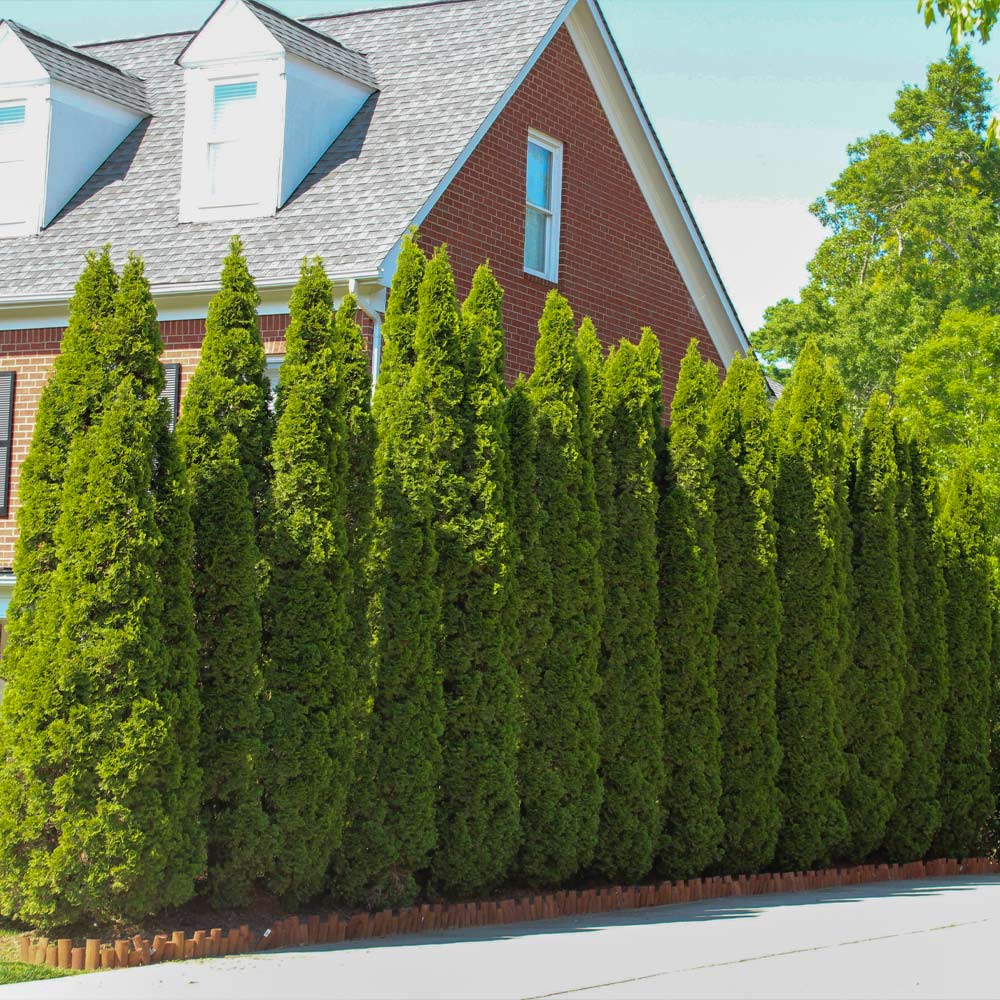


Windbreaks and shelterbelts were introduced during the Dust Bowl in the United States. They were first implemented in rural areas to prevent wind blowing all the soil away. However, they are also helpful in urban areas.
ALTAMONT, Tenn. - Virginir -- What Is a Windbreak/Shelterbelt?
A windbreak is a linear planting of trees and/or shrubs to lift the wind up and over a field or homestead. A shelterbelt is a grid of trees planted around a field to protect the soil and crops from the wind. I will use windbreak because a shelterbelt is a specific type of windbreak.
Benefits of Windbreaks
Windbreaks do more than just break the wind. When properly designed and cared for, they also control blowing and drifting snow. The snow stops in the windbreak and waters the trees and shrubs that make it up. More meltwater is absorbed by the soil around a wind break, as well. Wildlife will use the windbreak to nest in and seek protection from winter storms. By cutting the wind all year and providing shade in the summer, windbreaks can save energy and heating and cooling costs. Finally, a windbreak serves as a living privacy screen.
Planning a Rural Windbreak
A windbreak in a rural area has more room to spread out than one in an urban area. In rural areas, a windbreak must be planted on two sides of the homestead to present a wedge toward the prevailing wind. First, a row of dense shrubs is planted, then a row of small deciduous trees, then alternating evergreens and deciduous trees, then a row of evergreen trees, and finally, a row of deciduous trees.
More on virginir.com
If the windbreak faces south, east, or west, the inner tree must be shade tolerant or taller than the other trees. Otherwise, it won't get enough sun to thrive. The space between rows should be twenty feet for a total thickness of 100 feet for the whole windscreen.
The spacing within rows varies. Shrubs and perennials in the outside row should be spaced 3-6 feet apart. Small trees should be 10-15 feet apart. Larger trees should be12-20 feet apart. Finally, the evergreen trees should be 20-25 feet apart in the row.
A windbreak for a field under cultivation is similar to one around the homestead. While it may seem that using 100 feet of arable land for a windbreak is a waste, crops have been shown to produce more when there is a windbreak to protect them.
Planning an Urban Windbreak
Most urban lots do not have enough space for a thick windbreak. However, a smaller windbreak with a dense shrub, a moderate-sized deciduous tree, and an evergreen tree can be planted on two sides of a lot to protect the yard from wind and storms. The windbreak will help with energy costs and act as an oasis of habitat for wildlife in the area. Make sure any trees you plant will not get over 20 feet tall if they are under power lines.
Picking Plants
The most effective windbreaks have a mix of different species of perennials, shrubs, and trees. Planting a row of the same plant means that if a disease or pest were to come along, that whole row might be wiped out at once. For example, chestnuts were once planted along streets in a monoculture. When a disease came along that infected chestnut trees, they were killed and then cut down, leaving streets without any shade at all. By mixing species of plants, one disease or pest is unlikely to kill all of the plants at once.
More on virginir.com
Witch Hazel
I would choose A witch hazel tree for the next row of my windbreak. Witch hazel grows in a wide variety of conditions and has a lot of winter interest. It grows 15-20 feet tall and that wide. The flowers are bright yellow and bloom in the fall and winter. They persist after the leaves of the tree fall off.
Sweet Bay Magnolia Tree
The sweet bay magnolia tree is native to the southeastern United States. It is a broad leaf evergreen tree with big, glossy green leaves and big, white flowers. Pollinators love the flowers. This magnolia species grows to 50 feet in most areas but can grow to be 100 feet if the conditions are right. The big white flowers are very fragrant. Birds and small mammals eat the red fruit. Magnolias are messy trees, dropping leaves all year long and dropping flower petals during the time it bloom, but they are such nice trees most people don't mind cleaning up after them.
Care of Windbreaks
Trees and shrubs take three years to establish themselves in a new area. Using native plants means that after the plants are established, you will only have to water during a drought. The first year requires frequent watering while the roots start to grow. The rule of thumb is to water them daily for the first two weeks. Gradually expand the time between watering until you water the plants once a week. After the first year, gradually start watering less until you water the trees deeply every two to three weeks. The third year, water every 3-4 weeks. After that, gradually taper off watering and only water when during a drought.
A windbreak is a linear planting of trees and/or shrubs to lift the wind up and over a field or homestead. A shelterbelt is a grid of trees planted around a field to protect the soil and crops from the wind. I will use windbreak because a shelterbelt is a specific type of windbreak.
Benefits of Windbreaks
Windbreaks do more than just break the wind. When properly designed and cared for, they also control blowing and drifting snow. The snow stops in the windbreak and waters the trees and shrubs that make it up. More meltwater is absorbed by the soil around a wind break, as well. Wildlife will use the windbreak to nest in and seek protection from winter storms. By cutting the wind all year and providing shade in the summer, windbreaks can save energy and heating and cooling costs. Finally, a windbreak serves as a living privacy screen.
Planning a Rural Windbreak
A windbreak in a rural area has more room to spread out than one in an urban area. In rural areas, a windbreak must be planted on two sides of the homestead to present a wedge toward the prevailing wind. First, a row of dense shrubs is planted, then a row of small deciduous trees, then alternating evergreens and deciduous trees, then a row of evergreen trees, and finally, a row of deciduous trees.
More on virginir.com
- Pregis Launches Sharp InfinX: On-Demand Rightsized Mailing System Delivering a Precision-Sized Mailer for Every Order
- netElastic Announces vBNG And CGNAT 2.0 General Availability
- Postmortem Pathology Highlights Private Autopsy Options for Las Vegas Families During Summer Months
- Postmortem Pathology Offers Sacramento Families Independent Answers on a Short Timeline
- NEW Three Fully Furnished Single-Family Model Homes at Heritage at South Brunswick
If the windbreak faces south, east, or west, the inner tree must be shade tolerant or taller than the other trees. Otherwise, it won't get enough sun to thrive. The space between rows should be twenty feet for a total thickness of 100 feet for the whole windscreen.
The spacing within rows varies. Shrubs and perennials in the outside row should be spaced 3-6 feet apart. Small trees should be 10-15 feet apart. Larger trees should be12-20 feet apart. Finally, the evergreen trees should be 20-25 feet apart in the row.
A windbreak for a field under cultivation is similar to one around the homestead. While it may seem that using 100 feet of arable land for a windbreak is a waste, crops have been shown to produce more when there is a windbreak to protect them.
Planning an Urban Windbreak
Most urban lots do not have enough space for a thick windbreak. However, a smaller windbreak with a dense shrub, a moderate-sized deciduous tree, and an evergreen tree can be planted on two sides of a lot to protect the yard from wind and storms. The windbreak will help with energy costs and act as an oasis of habitat for wildlife in the area. Make sure any trees you plant will not get over 20 feet tall if they are under power lines.
Picking Plants
The most effective windbreaks have a mix of different species of perennials, shrubs, and trees. Planting a row of the same plant means that if a disease or pest were to come along, that whole row might be wiped out at once. For example, chestnuts were once planted along streets in a monoculture. When a disease came along that infected chestnut trees, they were killed and then cut down, leaving streets without any shade at all. By mixing species of plants, one disease or pest is unlikely to kill all of the plants at once.
More on virginir.com
- After 35 Years, Christian Radio Host Marina Maria Publishes the Novel She Never Forgot
- Freight Broker 911 CEO and President Milton Collier Is Rebuilding the Path Into Freight Brokerage
- Boston Industrial Solutions Launches New and Improved Siliart Website for Silicone Decorators
- Scoop Social Co. Brings Its Signature Mobile Dessert Experience to Phoenix
- Sky Quarry's Big Turning Point: CEO Marcus Laun Outlines the Next Phase for N A S D A Q: SKYQ
Witch Hazel
I would choose A witch hazel tree for the next row of my windbreak. Witch hazel grows in a wide variety of conditions and has a lot of winter interest. It grows 15-20 feet tall and that wide. The flowers are bright yellow and bloom in the fall and winter. They persist after the leaves of the tree fall off.
Sweet Bay Magnolia Tree
The sweet bay magnolia tree is native to the southeastern United States. It is a broad leaf evergreen tree with big, glossy green leaves and big, white flowers. Pollinators love the flowers. This magnolia species grows to 50 feet in most areas but can grow to be 100 feet if the conditions are right. The big white flowers are very fragrant. Birds and small mammals eat the red fruit. Magnolias are messy trees, dropping leaves all year long and dropping flower petals during the time it bloom, but they are such nice trees most people don't mind cleaning up after them.
Care of Windbreaks
Trees and shrubs take three years to establish themselves in a new area. Using native plants means that after the plants are established, you will only have to water during a drought. The first year requires frequent watering while the roots start to grow. The rule of thumb is to water them daily for the first two weeks. Gradually expand the time between watering until you water the plants once a week. After the first year, gradually start watering less until you water the trees deeply every two to three weeks. The third year, water every 3-4 weeks. After that, gradually taper off watering and only water when during a drought.
Source: TN Nursery
0 Comments
Latest on virginir.com
- Georgia's Magical Nights of Lights Bigger and Brighter for 2026
- Harvard Educated Board Certified Endodontist Joins Pearlfection Dentistry
- History Matters - The Death of Harry Houdini, October 1926
- NYC Banners Delivers High-Stakes UN General Assembly Backdrop for the US Department of State Event
- OneVizion Appoints Energy Infrastructure Executive Walt Farrell to Board of Directors
- Tampa Bay Reporter Launches with a Mission to Deliver Local News with National Reach
- "JACKIE the STRIPPER," Starring Charlotte Kirk and The PUSSYCAT DOLLS' Kimberly Wyatt, Now Streaming on PRIME
- Migguel Anggelo Celebrates the Immigrant Experience, Latino Identity, and the Power of Iconic Latin Rhythms During Hispanic Heritage Month
- Indianapolis Criminal Defense Firm Rigney Law LLC Relaunches Criminal Law Podcast "Tales from the Brown Desk"
- 3ptechies Makes Its Articles Audio-Ready With Instaread Voice Technology
- Genuine Hospitality, LLC Selected to Operate Fairfield Inn & Suites Tampa Wesley Chapel
- Pregis to Highlight EPR Expertise, Sustainable Packaging Solutions and Live Automation Demonstrations at Pack Expo International 2026
- Infinity Infusion Solutions Launches "Women Leading Infusion Care" Campaign for National Women in Business Month
- HuskyTail Digital Puts AI to Work Behind the Scenes to Cut Client Turnaround Time
- Sepsis Survivor Turned Patient Advocate Christina A. Cole Marks Sepsis Awareness Month by Sharing Memoir & Launching Two Patient-Centered Platforms
- AI, Real-World Data "RWD" and U.S. Expansion Put Predictive Healthcare in Focus for POMDOCTOR Ltd. (N A S D A Q: POM)
- $11.18 Million DARPA Award Ignites a Major New Catalyst as FDA, Robotic TMS and Commercialization Milestones Converge for NRx Pharmaceuticals, Inc
- P-Wave Classics to publish Thomas Holcroft's The Adventures of Hugh Trevor in three volumes, beginning 19 January
- Ad Leverage Sponsors ServiceTitan Pantheon 2026, Supporting Education and Growth in the Home Services Industry
- DBF Viewer 2000 v9.32 Adds New Control for Data Export